
From Of Hurdles and the Public Spirit (c. 1753)
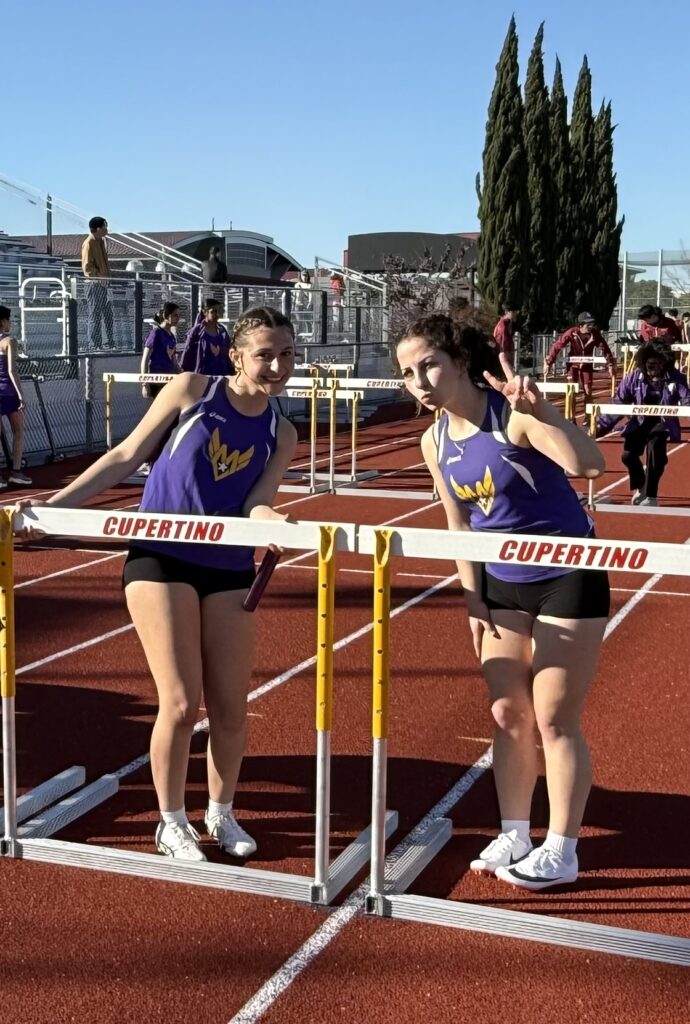
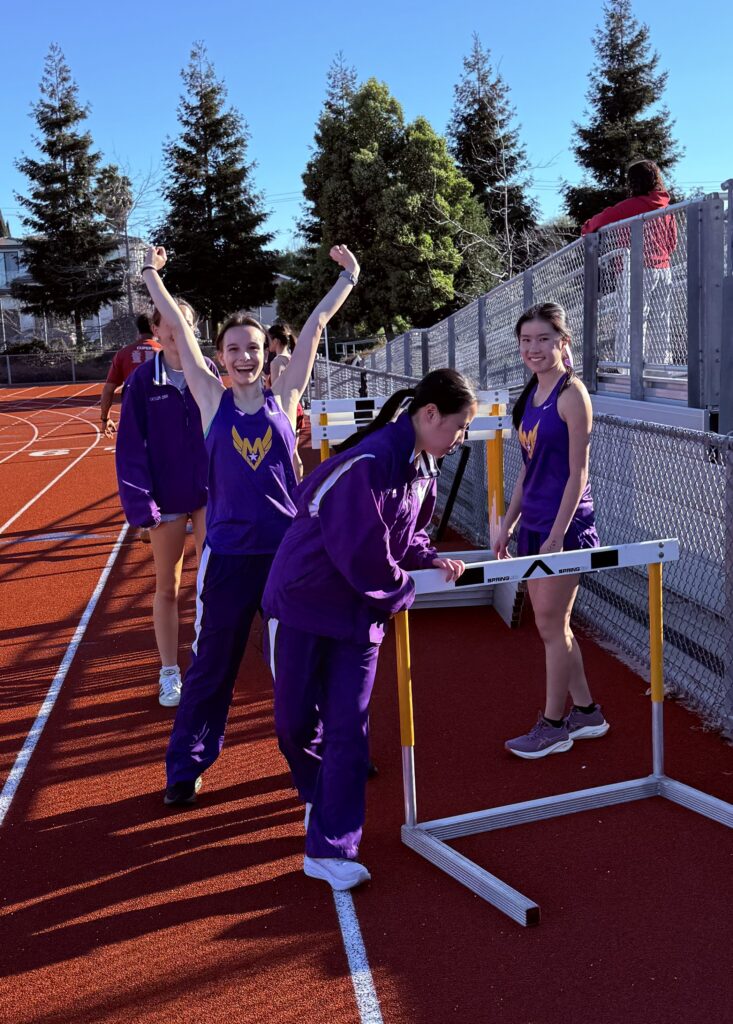
It is often supposed that the strength of a commonwealth is demonstrated in grand matters—its laws, its armies, or its commerce. Similarly, it is commonly thought that the spirit of a track and field team is represented by its swiftest runners, its most agile jumpers, or its mightiest throwers. Yet experience suggests that the true measure of public spirit is discovered in smaller scenes. Consider a field of sport in which hurdles are set for the runners. When a hurdle is struck down, there arise two kinds of spectators: those who ignore the obstacle, supposing it the concern of another, and those who quietly restore the hurdle to its place, though they neither knocked it down nor are charged with its care. From such trifling circumstances, we may form a useful maxim: that the health of a society or a team is known less by the excellence of its institutions than by the readiness of its members to set right the hurdles that impede others.
The person who performs this small office commonly receives little notice and indeed expects none. Yet such individuals are the silent benefactors of every community. Their conduct springs not from compulsion, nor from the hope of applause, but from a disposition that regards the convenience of others as naturally connected with one’s own, such as holding doors, picking up small bits of litter, and the myriad other small courtesies by which the common affairs of society are quietly sustained. Where such tempers are frequent, the course of life—and even that of a track and field competition—proceeds with a smoothness that no law or rulebook could compel; for every citizen, as it were, becomes a steward of the public way.
The contrary character is equally instructive. There are always some who pass the fallen hurdle with indifference, persuading themselves that the matter belongs to officials, organizers, or some other appointed hand. This spirit, though seemingly trivial in the moment, contains the seed of that disposition which philosophers have long lamented in the affairs of society: the desire to enjoy the advantages of society, while declining its smallest burdens. When this temper grows common, the field becomes disordered and the athletic competition is oft delayed not from any single great villainy, but from a thousand neglected duties.
Yet there is reason for optimism in such affairs, for the manners of a community are shaped less by decree than by example. When teammates readily assist one another, when coaches guide and praise such small services, when the young observe that helpfulness is treated as the natural conduct of a member of the group, the practice soon becomes habitual. What began as a voluntary kindness will harden into custom, and custom, as every attentive observer of society knows, is the great schoolmaster of virtue.
Thus, the simple act of restoring a hurdle offers a modest image of the society to which we aspire: a team and a society in which individuals do not merely pursue their own race, but from time to time pause to keep the course clear for others. In such a community the obstacles of life are not eliminated—no human arrangement could ever accomplish that—but they are more swiftly set upright again, and the race proceeds with a spirit both generous and fair. When the next runner approaches, the path is ready, not because it was any one person’s duty, but because someone chose to set the hurdle straight.
Author unknown; manuscript discovered and faithfully transcribed by
Coach Kirk Flatow