

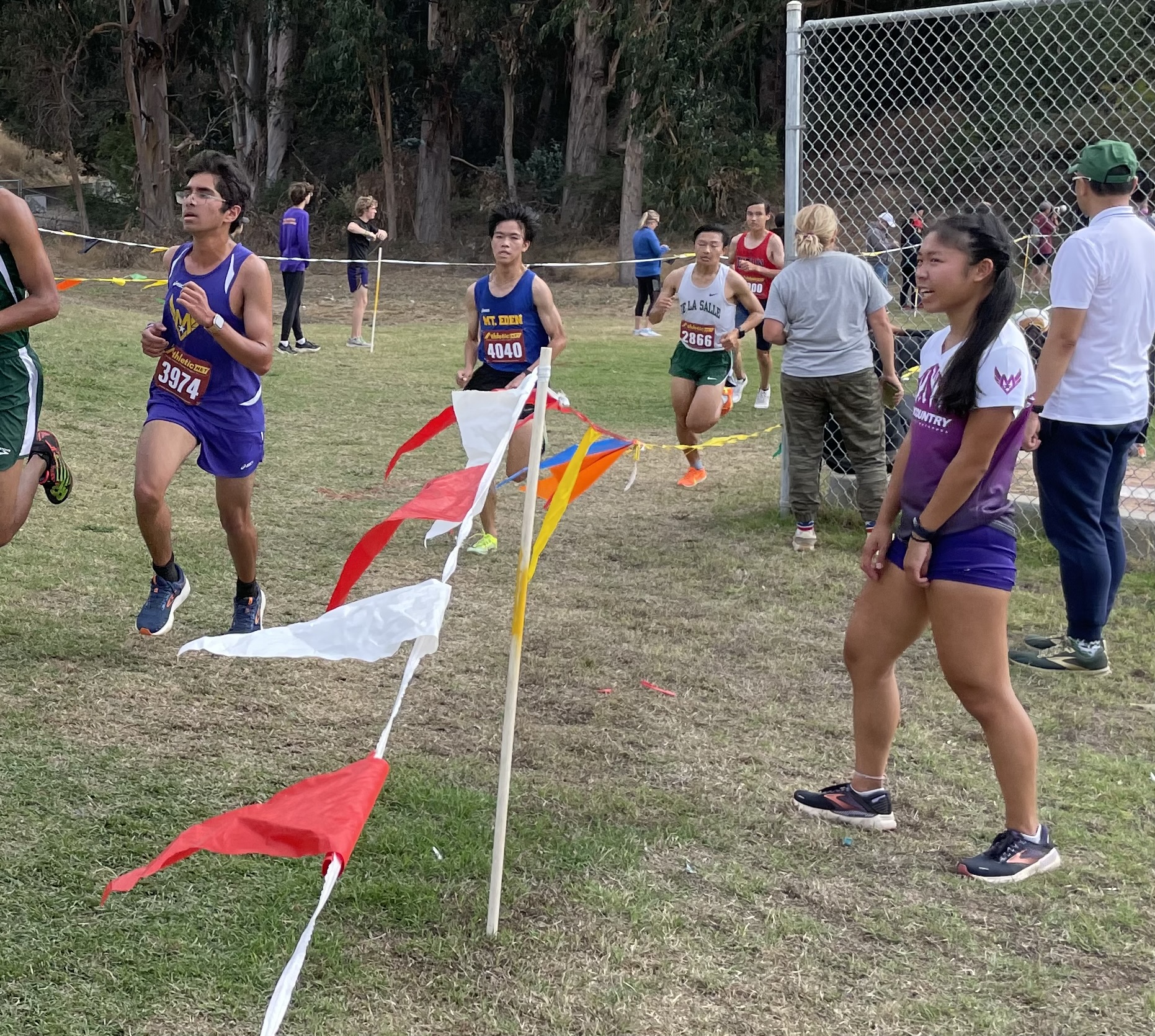
Having our team gather at the end of today’s workout to cheer for every teammate as they finished was incredibly important. If the first person to finish just sits down and starts scrolling on their phone while the rest of the team is still running, it’s easy for them to feel disconnected—thinking, Why do I have to wait? I’m bored. Coach, can I leave early?* Meanwhile, the last person to finish can just as easily feel like they’re the slowest and that they not a valuable part of the team. Neither of those feelings helps the individual, and neither helps the team, and neither is correct.
I believe it’s incredibly important to support each other—on our teams, in our lives, and in our communities. Our connections matter. Showing respect for each other’s efforts, whether by cheering or simply saying “good work!” is never trivial—whether it’s on the cross country team or in biology class. And it’s not hard to do. I’m not asking you to buy your teammates dinner or a new iPhone. I’m asking that after a race, workout, or run, instead of heading off by yourself to check your phone for the next Labubu drop, you stick around, talk with your teammates, and cheer for all your friends and teammates.
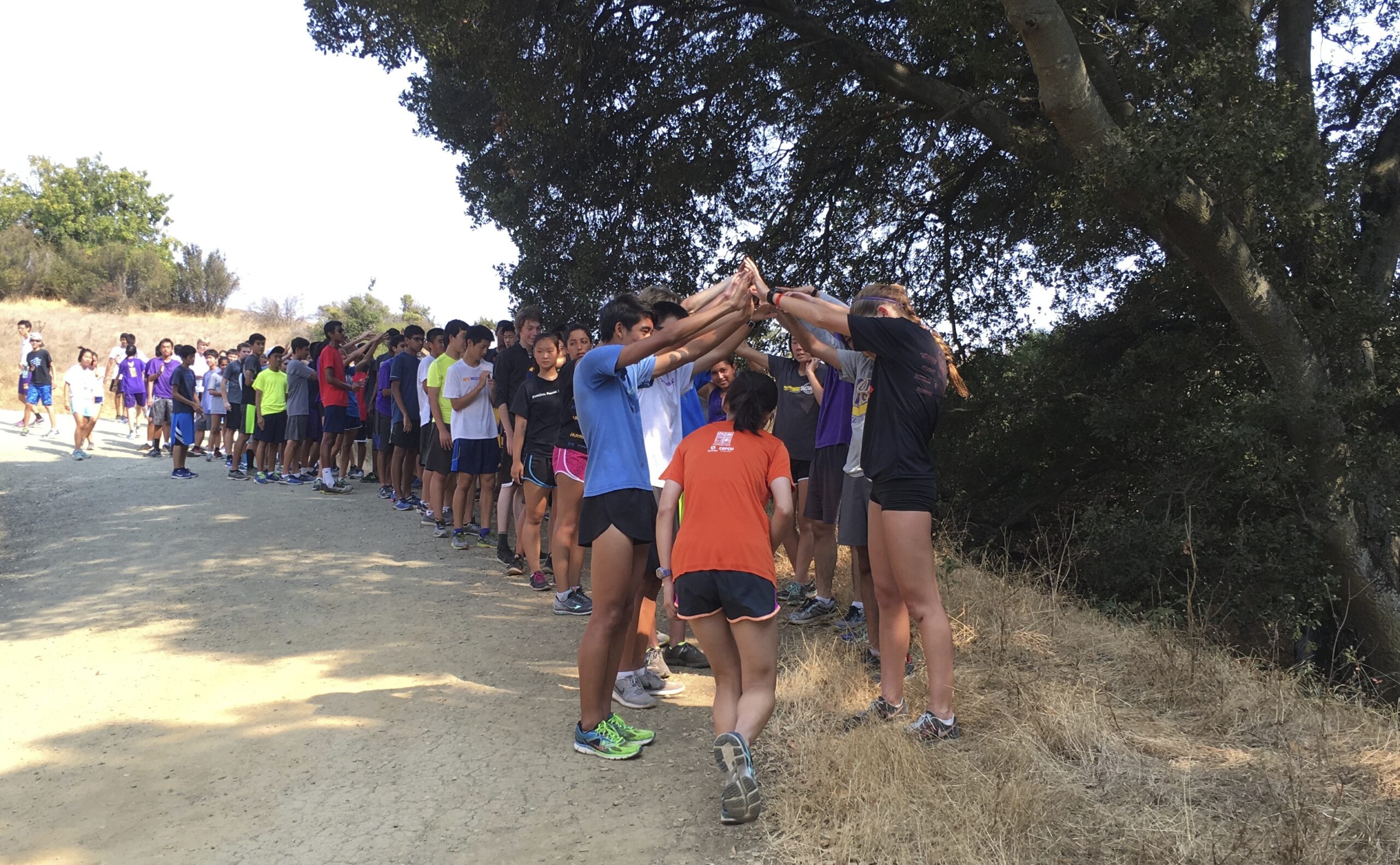
Monta Vista cross country has a reputation for being big and loud at races. One parent once told me, at Artichoke, that as he walked the course he kept finding two or three MVXC runners around every corner, hanging from a tree, or sitting in a grandstand—always cheering and shouting encouragement and enjoying themselves. One year, the JV boys started forming a high-five line at the end of races. As soon as the first MVXC runner crossed the finish and got through the chute, instead of heading back to camp, he would turn around, high-five every runner who finished after him, and say, “Good job!” Each MCXC runner would join the line when they finished, until the line stretched so far that the meet director finally yelled, “Would you guys please back up—you’re crowding the finish line?! But by the way, what you’re doing is so cool.” Imagine how much better it feels to race when you know people are there for you—that you are not out on the course alone.
There is science to support the position that this is a good thing to do. Marty Seligman, one of my professors at the University of Pennsylvania, developed the PERMA model of well-being—Positive Emotion, Engagement, Relationships, Meaning, and Accomplishment are part of better, happier lives. The PERMA elements are entwined with our personal well-being. Our encouragement and support of each other boosts our positive emotions–the person cheering, and the person being cheered–so that the challenges we face in cross country and in school can feel more manageable and our successes are shared and become more joyful. These actions help build deeper relationships with our friends, our teammates, our fellow humans everywhere; these relationships are a key driver of our happiness and our resilience in the face of obstacles. Cheering for others helps us become even more engaged in our team, our personal goals, and our team goals, and give our efforts more meaning as we are part of something more than only ourself. And all this support and engagement often leads to greater personal accomplishments, because we are all more likely to presist and work hard if we know we are not alone on this team or in this world.
When we lift others, we all rise.
I believe this is just the start of an epic season of MVXC team spirit!
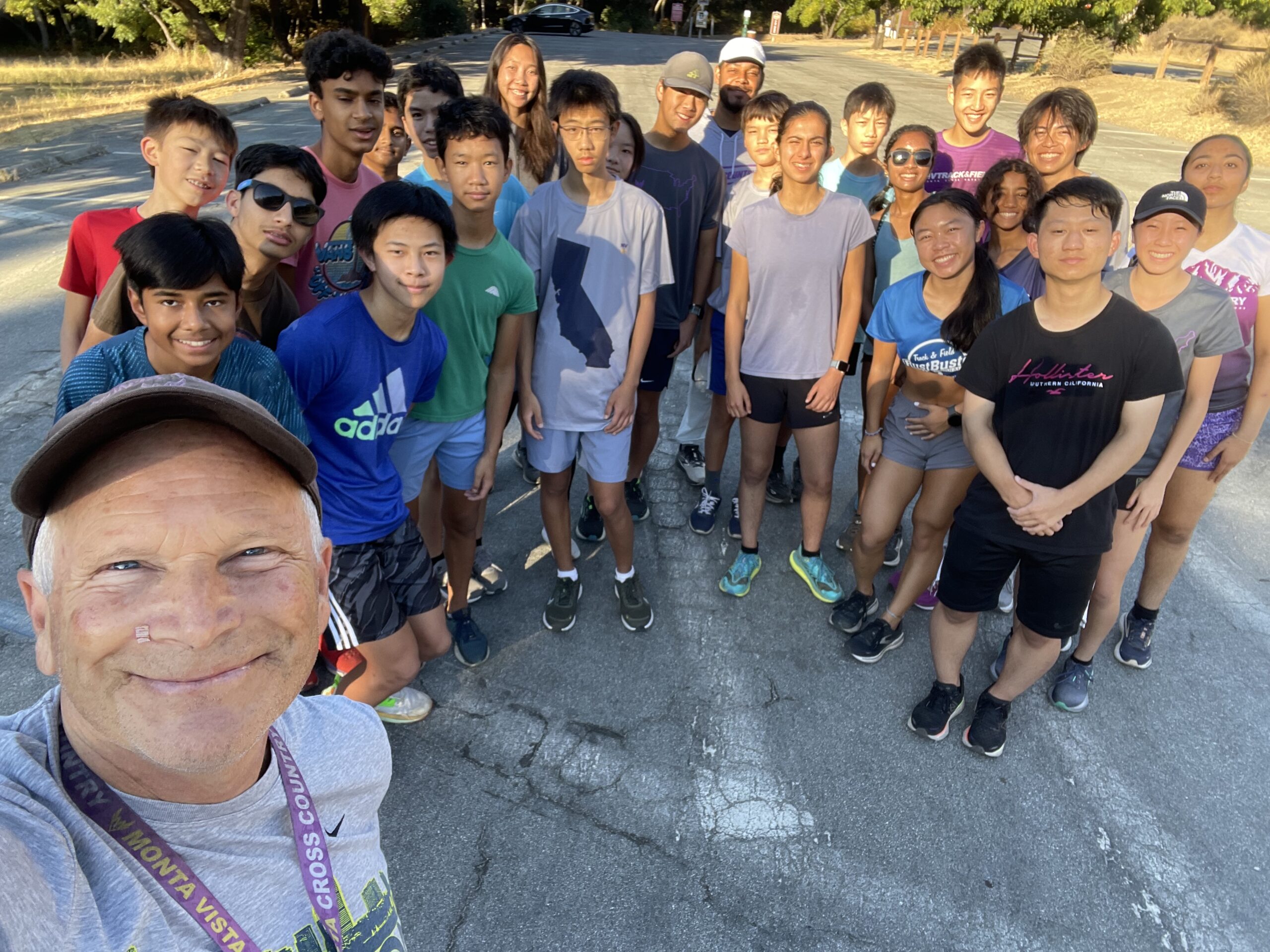
*No, you can’t leave early 🙂 so we may as well cheer!